Direct sound first
Shape the stage and audience relationship to preserve vocal presence, particularly in the rear seating zones.
JHS ACOUSTIC / LIVE PERFORMANCE VENUES
Shape the dialogue between stage, orchestra pit and audience—so every seat receives useful energy, not uncontrolled reflection.
Plan a theatre acoustic brief01 / THE THEATRE IS AN INSTRUMENT
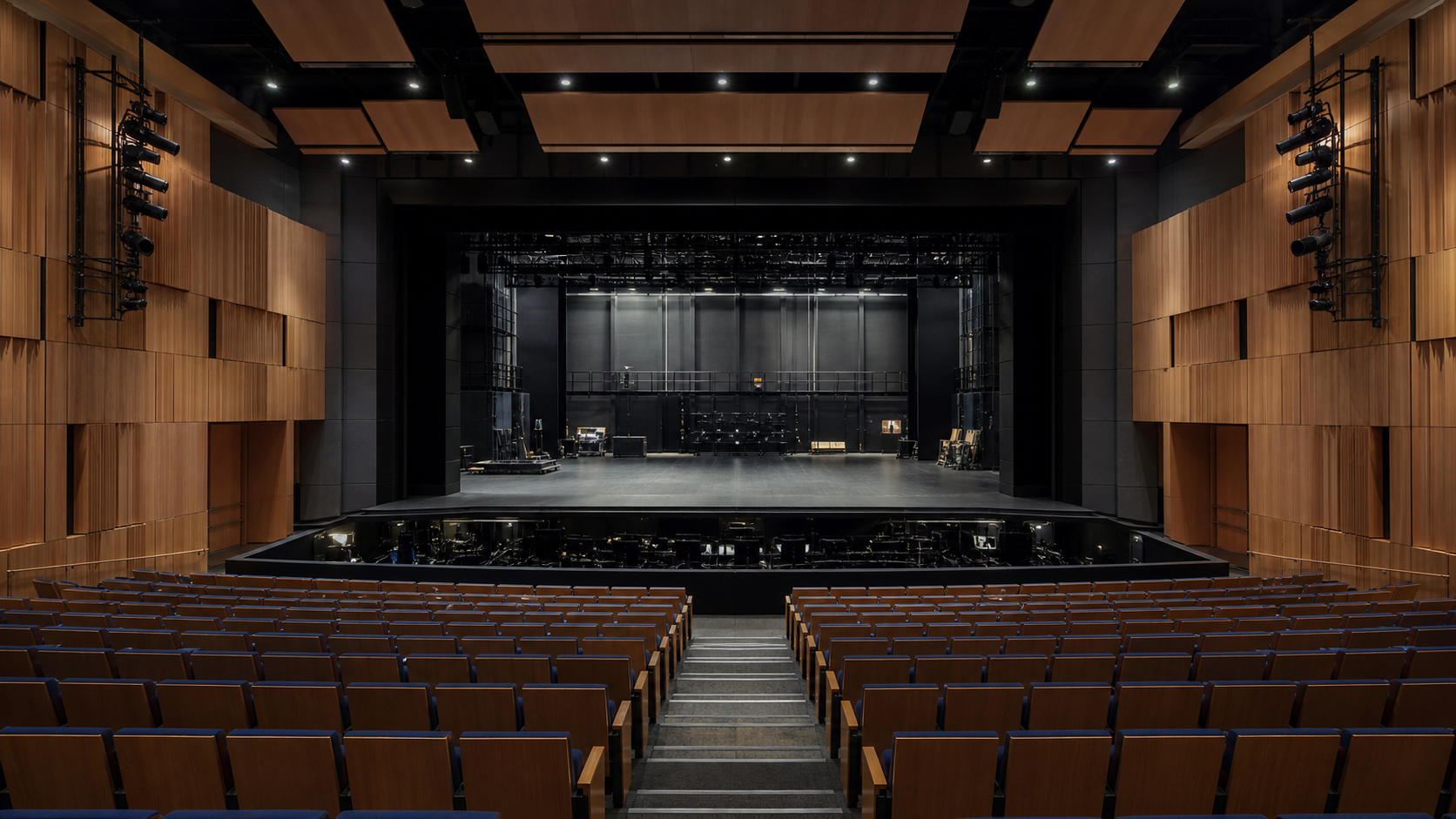
Theatre sound quality shares principles with concert halls, but the proscenium stage, orchestra pit, acting voice and programme changes demand a different balance. The design must support direct sound and useful early reflections while controlling the late energy that reduces clarity.
Shape the stage and audience relationship to preserve vocal presence, particularly in the rear seating zones.
Use ceiling, side-wall and balcony geometry to return early energy without creating a perceptible echo.
Use adjustable elements and curtains where speech, drama and music require different acoustic responses.
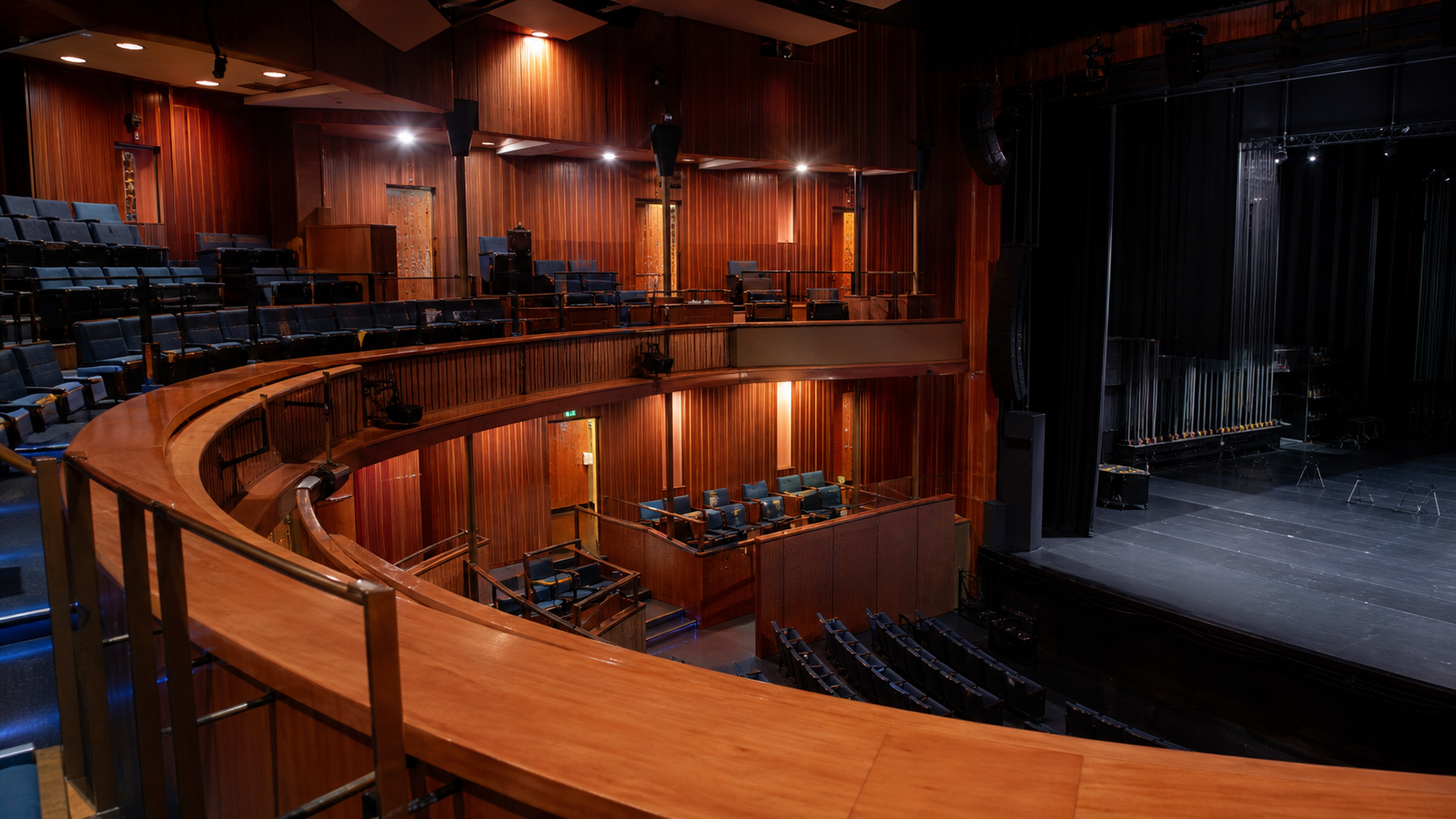
Treat rear walls, under-balcony zones and concave surfaces before they become echo or focusing sources.
02 / STAGE, VOLUME & REVERBERATION
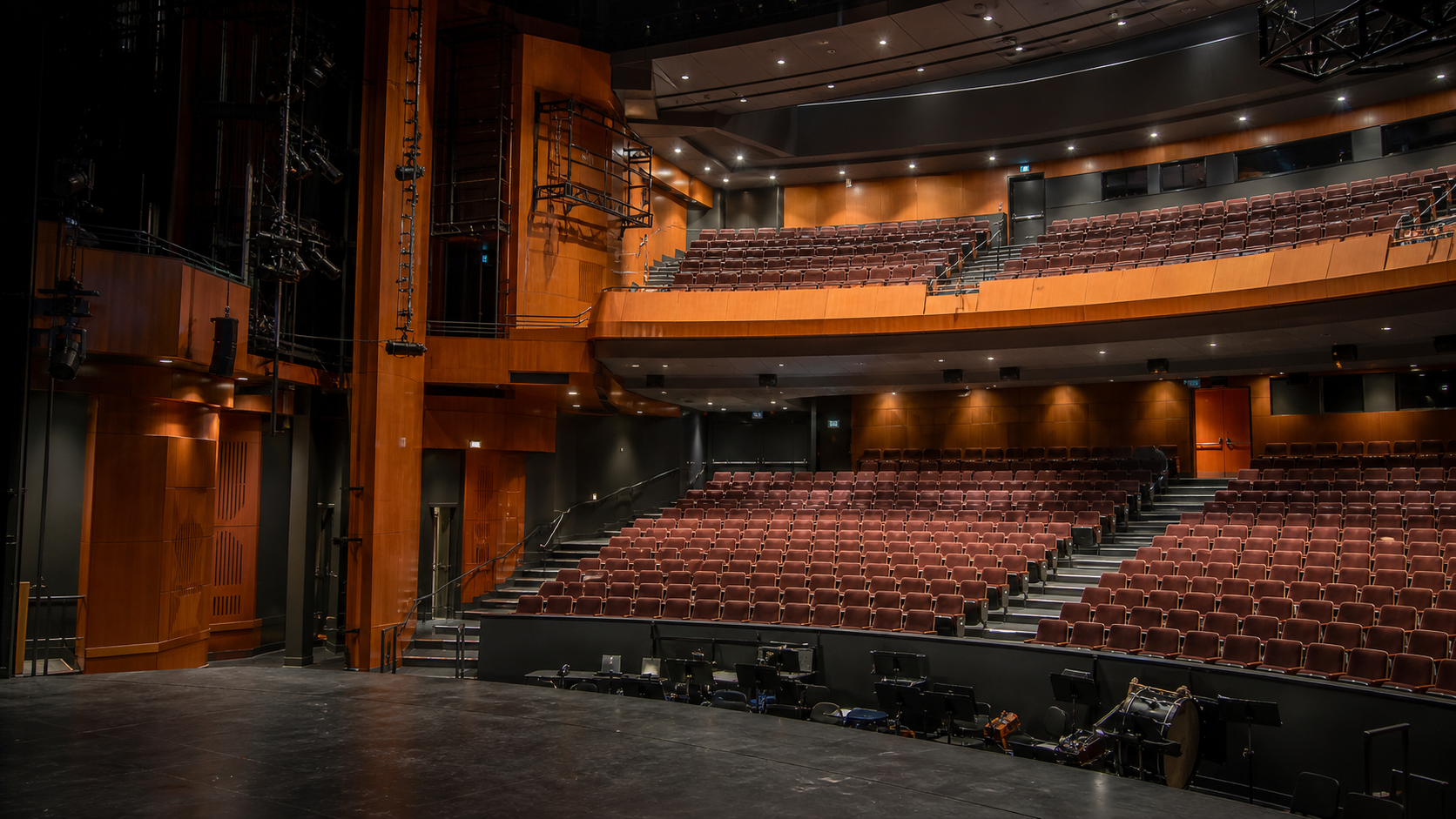
A horseshoe or multi-tier arrangement can shorten the path from stage to rear seats, improving perceived direct sound. The final reverberation target must be set against volume, seating, orchestration and the intended balance of speech and music.
Rather than relying on a single finish, coordinate reflective, diffusive, absorptive and adjustable surfaces so the theatre can respond to its actual programme.
03 / EARLY ENERGY, CLEARLY PLACED
At the stage mouth, suspended ceiling and side-wall surfaces should distribute early reflected sound into the audience. The goal is intelligibility and support—not a dramatic effect at one seat and a weak signal at another.
04 / THE REAR WALL
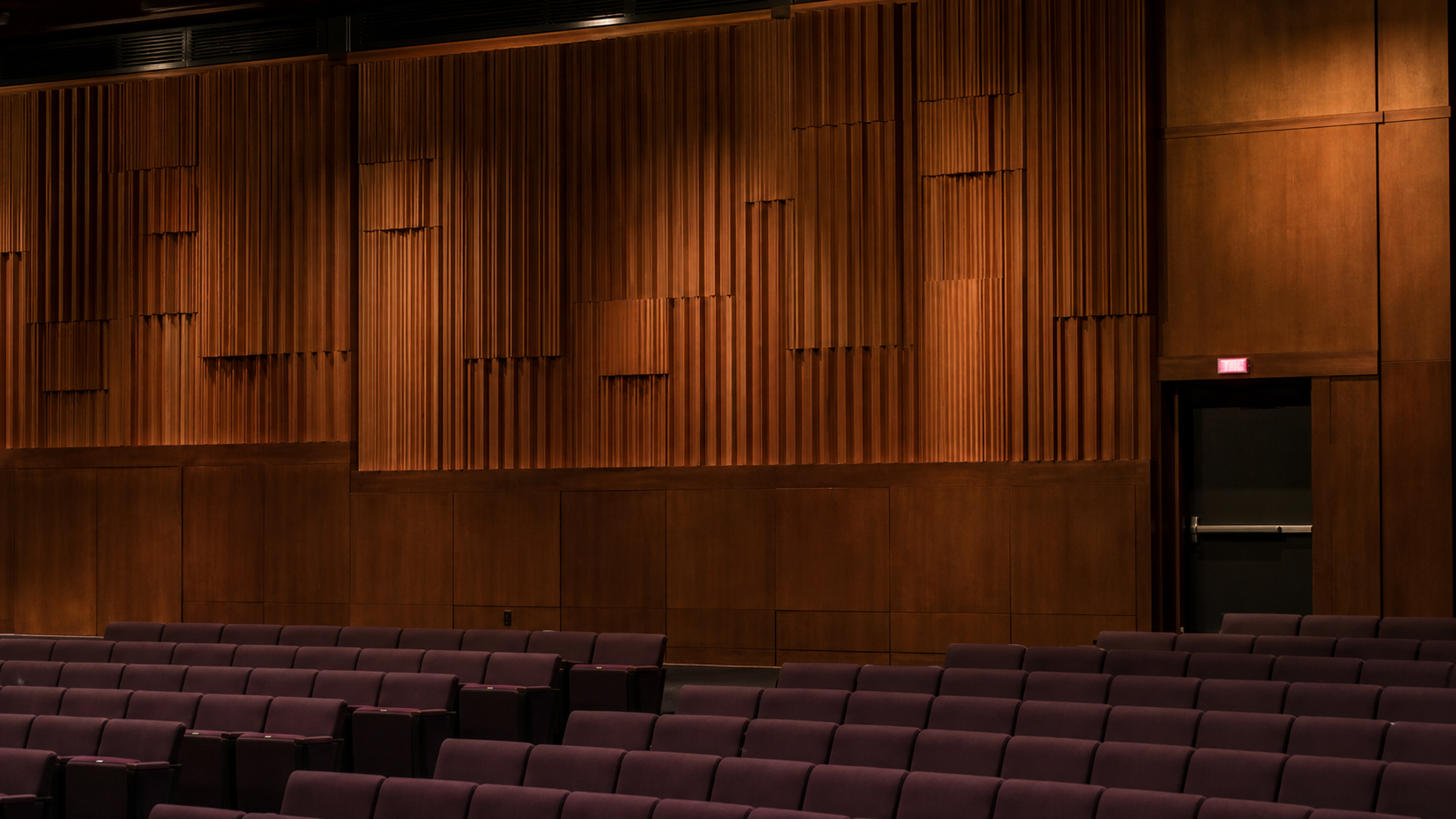
Curved or concave rear surfaces can focus energy and reinforce an audible echo. Select absorption, diffusion and controlled rear-seat reinforcement according to use, but do not apply diffuse geometry indiscriminately where it could send late energy back to performers.
05 / FLOOR RAKE, CEILING & PIT
Audience floor rise, orchestra-pit configuration, ceiling profile and the side walls at the stage opening must be developed together. Each affects sightlines, direct sound, early reflections, access, safety and the orchestral balance.
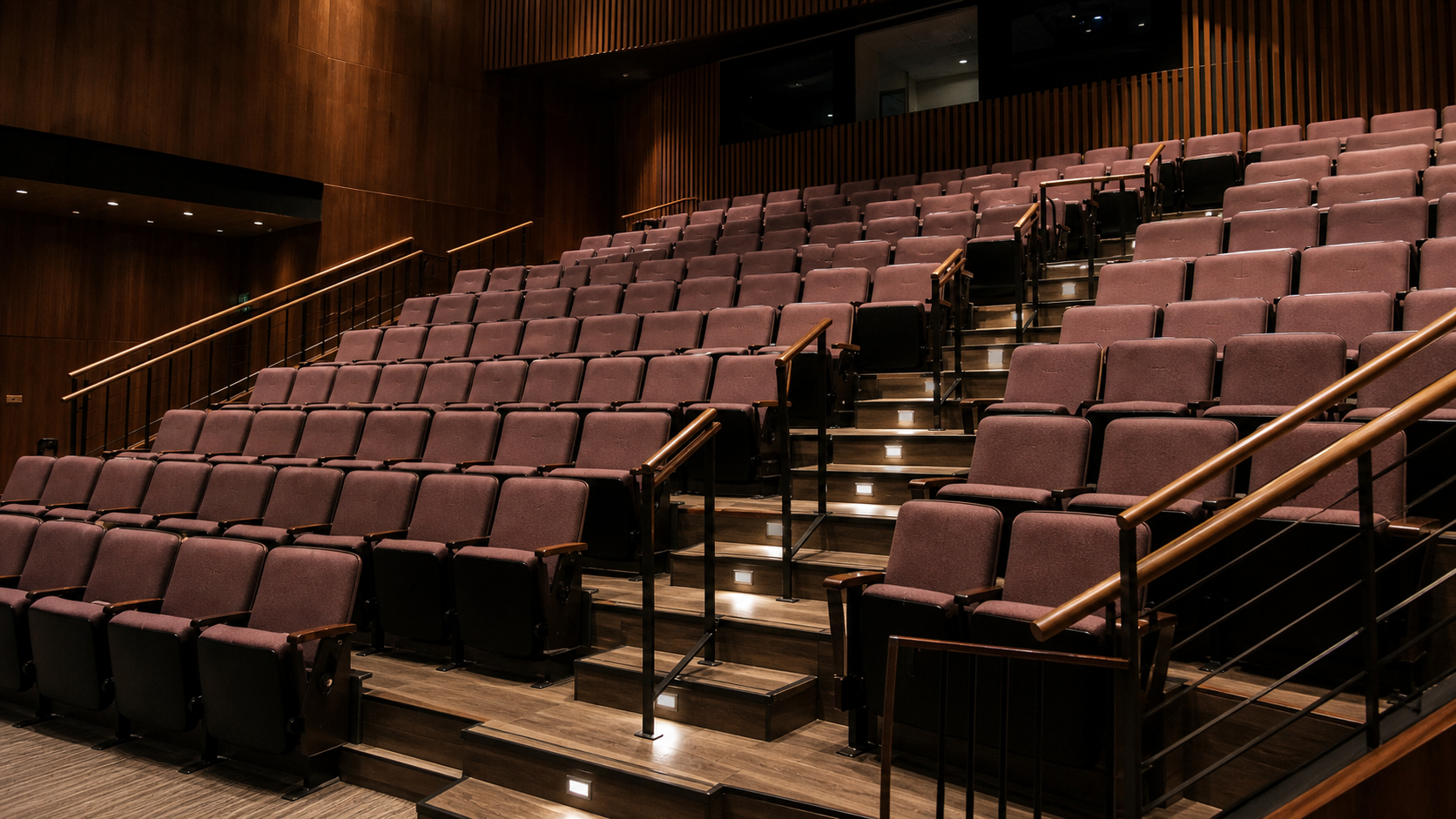
Set the rake from source height, audience distance and front-row absorption while protecting practical access and safe circulation.
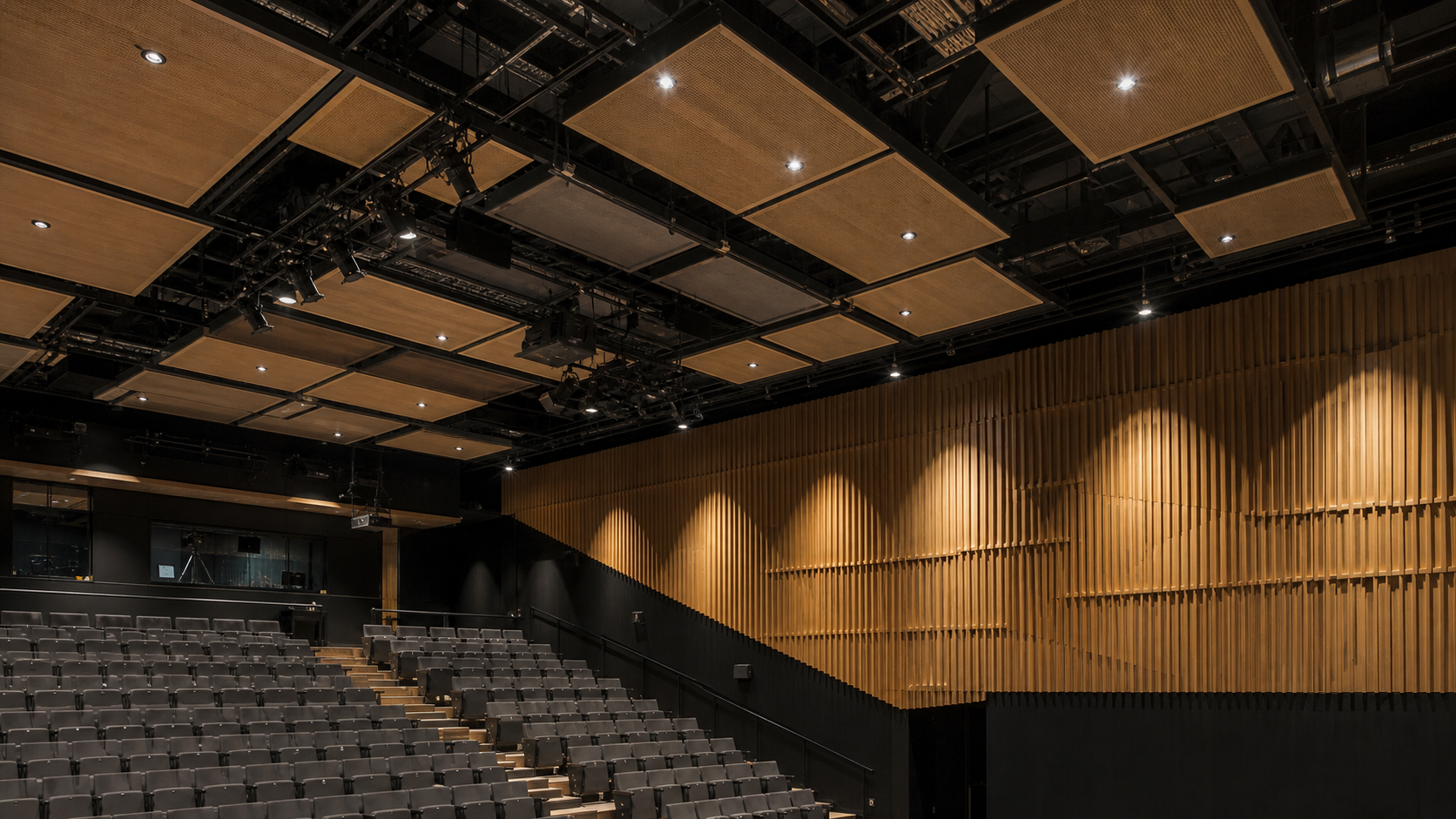
Use the ceiling and stage-mouth side walls to send useful early energy across the hall and reinforce the rear seats.
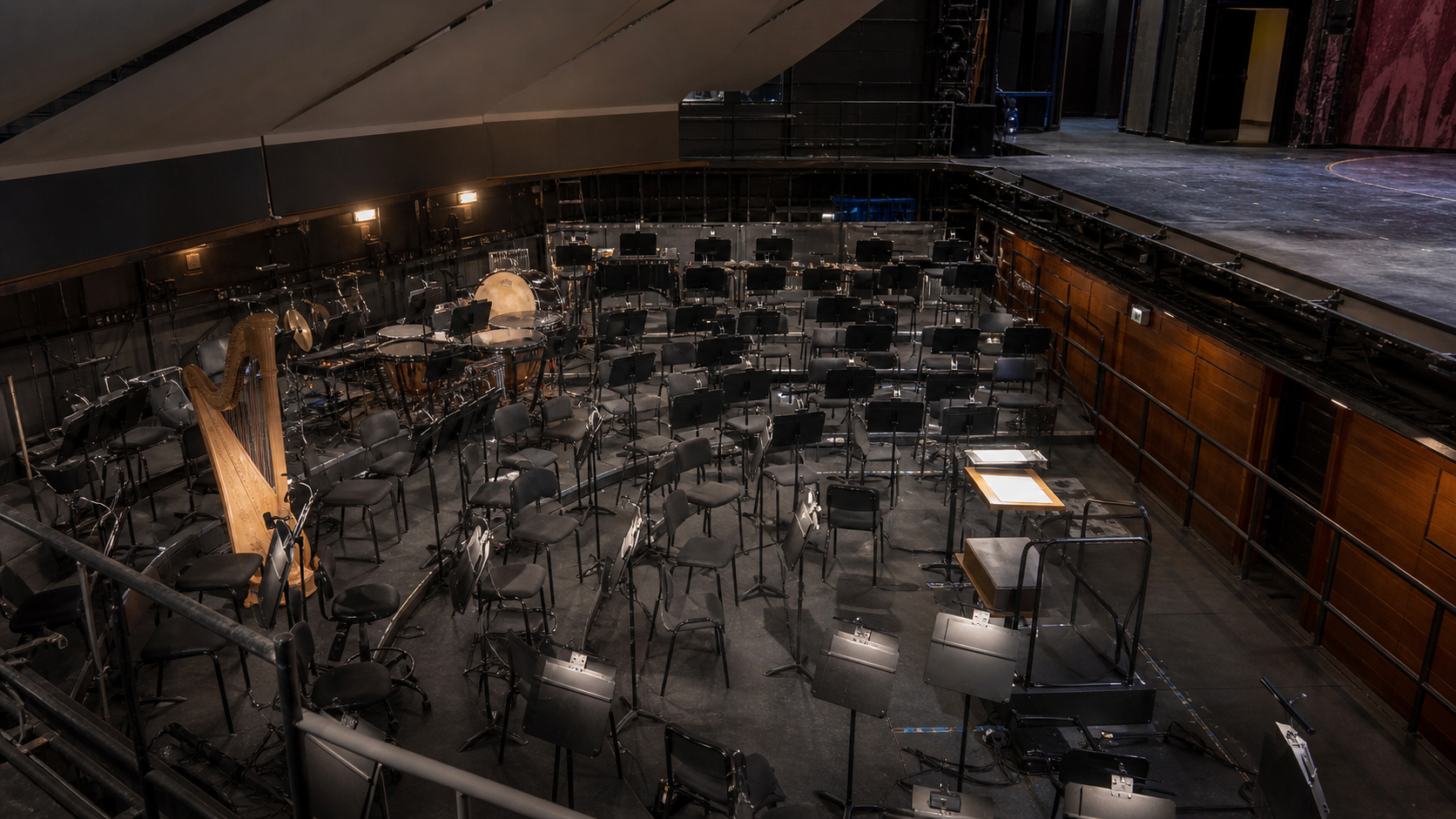
Support clear, balanced exchange between singers and musicians while avoiding excessive delay or a visually disconnected pit.
06 / PERFORMER SUPPORT
For opera, musical theatre and orchestra-led performance, singers need a clear, balanced relationship with the orchestra. Musicians need sufficient mutual audibility without a pit so deep or wide that it creates a disruptive delay.
Coordinate the acoustic plan with conductor sightlines, performer movement, stage loading, pit capacity and any electro-acoustic reinforcement strategy.
Explore acoustic products07 / CONCEPTUAL CASE STUDIES
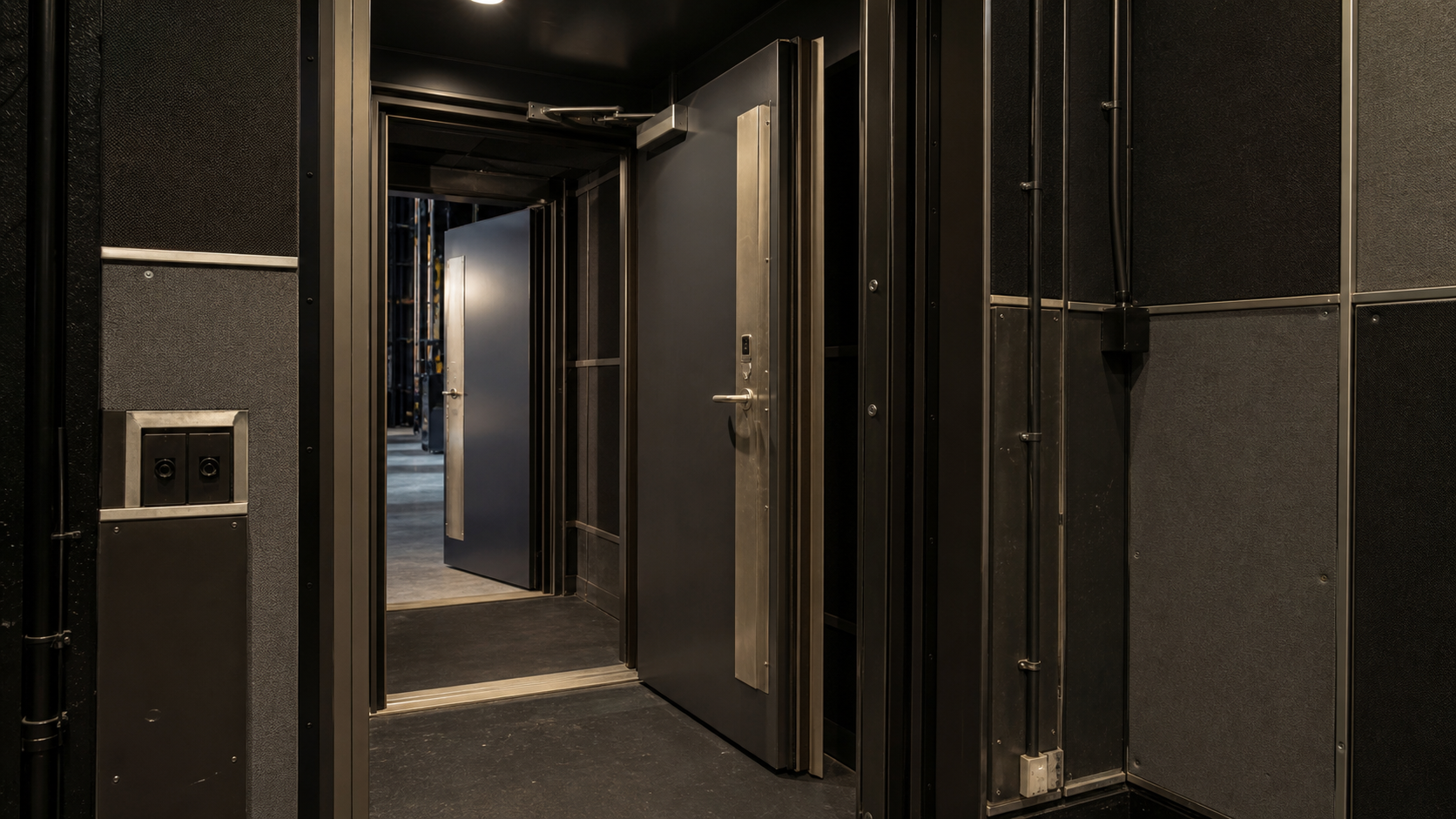
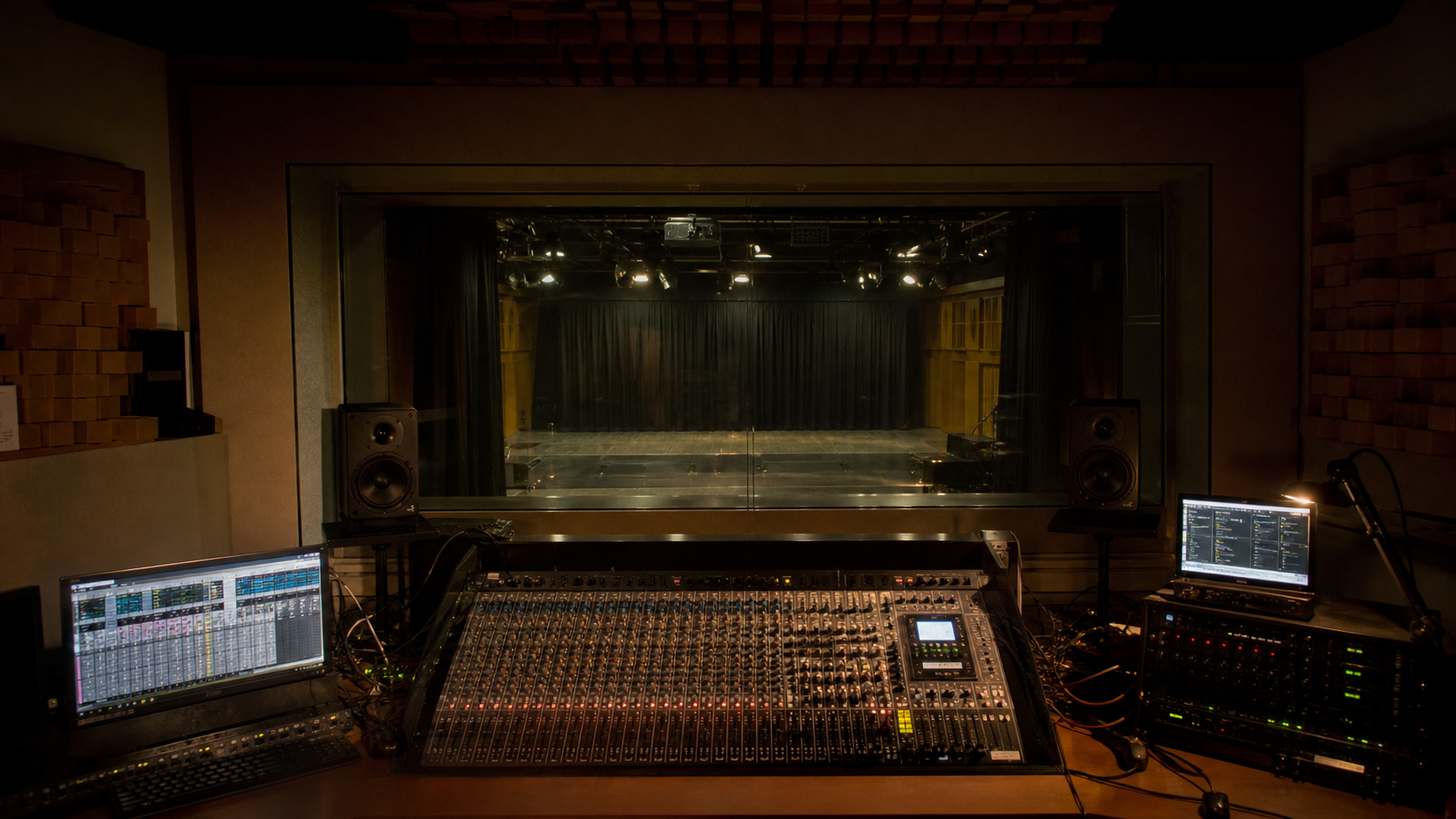
These are visual studies for theatre acoustic discussion and material coordination. They are conceptual case studies, not representations of completed JHS projects.
START WITH THE PERFORMANCE
Share the seating plan, stage and pit arrangement, intended programme, target audience size and any existing acoustic constraints. We will help define a coordinated material and geometry direction for your theatre project.
Discuss your theatre project